5 Critical Components to Inspect Before Buying Used Chinese Heavy Equipment

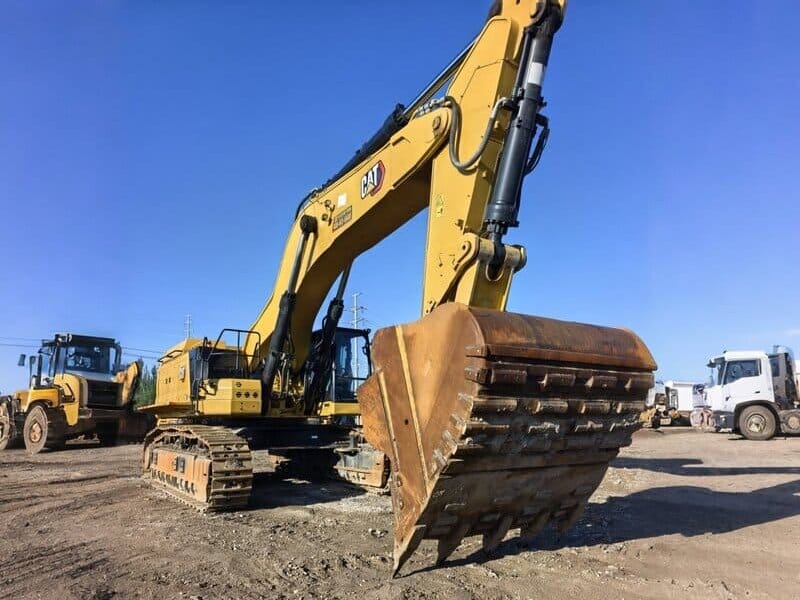
Purchasing used heavy equipment is a strategic way to expand your fleet without breaking the bank. But the used market comes with hidden risks—undisclosed mechanical issues, structural fatigue, and legal complications that can turn a smart investment into a costly mistake. With China’s engineering machinery market holding over 5 million units in total equipment stock and annual retirements expected to reach 1.2 million units by 2020, the supply is abundant—but so are the pitfalls.
This guide walks you through the 5 critical inspection points that separate a reliable machine from a money pit. Whether you’re buying an excavator, wheel loader, or bulldozer, these checks are non-negotiable.
1. The Hour Meter and Service Records—Don’t Trust the Number Alone
The hour meter tells only part of the story. A machine with 15,000 hours used in a sand quarry might have less structural fatigue than an 8,000-hour unit that spent its life pushing rocks on a mine site.
What to verify:
- Maintenance logs: Are fluid changes recorded at consistent intervals? Look for service receipts or digital logs from certified centers.
- Usage history: Where was the machine operated? Hard rock and muddy conditions accelerate undercarriage wear. A machine that worked in mining may carry hidden structural stress.
- Ownership chain: Frequent ownership changes can indicate persistent problems.
Red flags:
- Gaps in the service history
- Discrepancy between the hour meter and physical wear in the cab (worn pedals, cracked joystick grips, sagging seats)
- Seller claims “only 3,000 hours” but the hour meter and engine wear don’t match—be wary of odometer tampering
2. The Undercarriage—Your Most Expensive Wear Component
For tracked equipment like excavators and bulldozers, the undercarriage is the most expensive component to replace. For wheel loaders, tires serve a similar role. Worn undercarriage can reduce traction by up to 30% and increase fuel consumption.
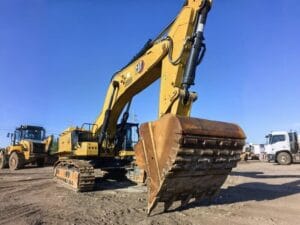
Tracked machines—what to check:

- Track pitch: Measure the distance between pins. Excessive pitch (stretched chains) indicates heavy wear.
- Sprocket teeth: Look for hooked, chipped, or irregularly shaped teeth—a sign of loose chain operation.
- Idlers and rollers: Spin each one by hand if possible. Uneven wear patterns or oil leaks (wet spots around seals) signal imminent replacement.
- Track tension: Proper tension is critical. Too tight accelerates pin and bush wear; too loose damages sprockets and chains.
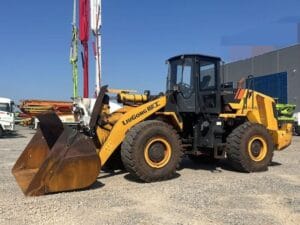
Wheel loaders—what to check:
- Even tread depth across all tires
- Sidewall cracks or bulges
- Cuts exposing steel cords—immediate replacement needed
Industry benchmark: Rubber tracks on compact excavators average about 2,000 hours of life. In rocky or abrasive environments, this figure drops by half; in favorable conditions, it can double.
3. Hydraulic System—The Muscle of the Machine
Hydraulic leaks mean potential contamination of the entire system. Even a small amount of hydraulic oil seeping out suggests dust has already entered the hydraulic circuit.
Static inspection:
- Check hydraulic cylinders and hoses for visible leaks
- Look for scratches, dents, or pitting on chrome-plated cylinder rods
- Inspect the oil quality—turbid or emulsified hydraulic oil indicates internal contamination or water ingress
Dynamic test:
- Start the engine and let it idle
- Operate all hydraulic functions—lift, lower, tilt, steer
- Check for jerky or spongy movement (air in the lines or internal wear)
- Listen for unusual noises when operating the hydraulics
Critical warning: The gap between the cylinder wall and piston is extremely small. Any debris in the hydraulic oil will cause abrasive wear and generate metal shavings that contaminate the entire system. If you see oil weeping from cylinder seals, you’re looking at potential system-wide contamination.
4. Structural Integrity and Non-OEM Welding
This is where many buyers get burned. Aftermarket welding is a major red flag. Non-factory welds are structurally inferior to original material and often hide previous damage or extreme overloading.
What to look for:
- Cracks or non-factory welding: Inspect the boom, arm, and frame for signs of repair. Multiple patches suggest a machine with a rough history.
- Pin and bushing play: Operate the boom and bucket. If you see the pins and cylinders moving but the bucket or arm doesn’t respond immediately, the pin-and-bushing clearance has worn loose.
- Misalignment: Use a straight edge across the boom and arm to check for distortion or twisting. Misalignment indicates previous damage or abuse.
For cranes and lifting equipment: Use ultrasonic testing if possible to inspect welds and base metal for fatigue cracks—particularly around the luffing cylinder connection points and sheave assemblies. Metal fatigue is the most common hidden defect in used cranes.
5. Engine, Transmission, and Exhaust Smoke Color
The engine and transmission determine whether your machine will start and move reliably. Exhaust color tells a diagnostic story—understand it.
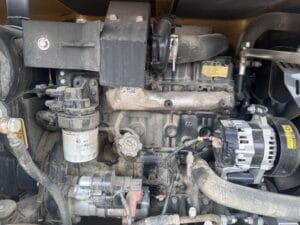
Engine test checklist:
- Start the engine from cold (avoid machines warmed up before you arrive)
- Listen for knocking, hesitation, or backfiring
- Monitor the temperature gauge—rapid overheating or failure to reach operating temperature points to thermostat or cooling issues
- Test throttle response—the engine should rev freely without hesitation
Transmission test:
- Shift through all gears and directions
- Ensure smooth engagement without clunking or slipping
- Test brakes while moving
Why Choose Chinafairlyused?
Navigating China’s vast used equipment market requires local expertise and rigorous quality control. That’s where Chinafairlyused comes in.
Our inspection protocols follow industry best practices—from hour meter verification to structural integrity checks—and we maintain transparent documentation for every machine. We work with certified assessors who apply the same evaluation standards used in professional equipment grading (37-point inspections with A-D classification).
When you buy through Chinafairlyused, you’re not just buying a machine—you’re buying verified history, transparent condition reporting, and the confidence that comes from a trusted brand in used heavy equipment.
Final Checklist Before Purchase
| Priority | Component | Key Verification |
|---|---|---|
| ⭐⭐⭐⭐⭐ | Engine & Transmission | Cold start test, exhaust smoke color, service logs |
| ⭐⭐⭐⭐⭐ | Undercarriage / Tires | Track pitch, sprocket wear, tire evenness |
| ⭐⭐⭐⭐⭐ | Hydraulic System | Leak check, smooth operation, oil quality |
| ⭐⭐⭐⭐ | Structural Frame | Non-OEM welds, cracks, pin slop |
| ⭐⭐⭐⭐ | Documentation | Title, service records, lien search |
| ⭐⭐⭐ | Test Drive | Full operational cycle in all functions |
Ready to make a smart investment? Explore the vetted inventory at Chinafairlyused—where quality meets transparency. Contact our team today to find the right heavy equipment for your job site.