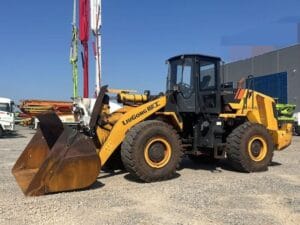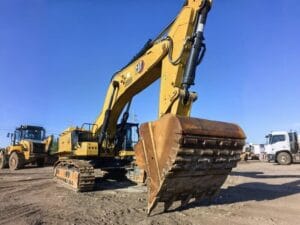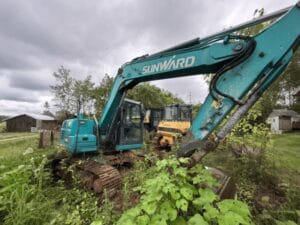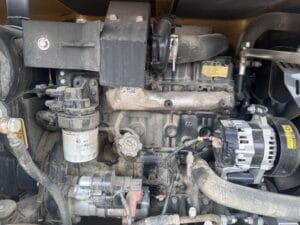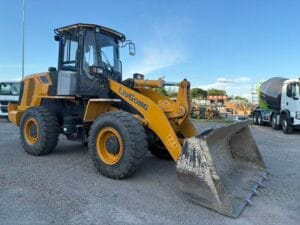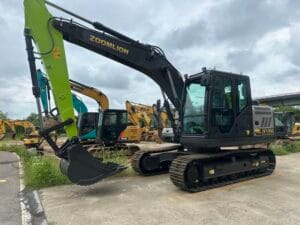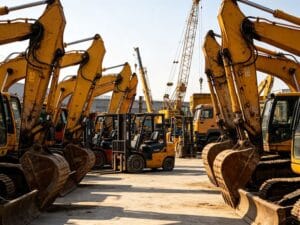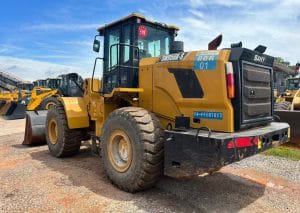
How to Choose the Right Used Wheel Loader for Your Job Site in 7 Steps

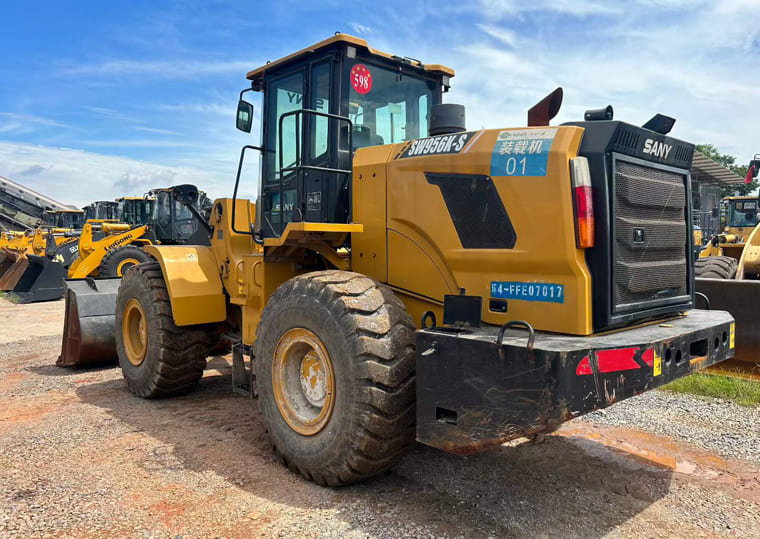
Buying a used wheel loader is a balancing act. You want to save on the initial investment while ensuring the machine can handle the daily workload without becoming a money pit. With used wheel loader asking values decreasing 2.65% month-over-month and inventory tightening by 14% year-over-year, now is an opportune time to buy—but only if you know what you’re looking for.
This guide breaks down the selection process into 7 actionable steps. If you follow them, you’ll avoid the common pitfalls and find a reliable workhorse that fits your site and budget. And if you’re looking for a trusted source to start your search, Chinafairlyused offers a vetted inventory of used loaders with transparent histories.
Step 1: Define Your Job Site Requirements First
Before you look at a single tire tread, answer this question: What does this machine need to do every day?
Don’t start with price or brand. Start with your application. Are you primarily loading sand and gravel, handling pallets with forks, or pushing rubble on a demolition site? The daily workload dictates the size, horsepower, and attachments you need.
Key questions to ask yourself:
Material Type: Are you moving loose aggregates (dirt, grain) or heavy, compact materials?
Lift Height: Do you need to load trucks, or just move materials across the yard? The required dumping height determines the boom configuration.
Site Conditions: Are you operating in tight urban spaces or wide-open quarries? Compact models are better for maneuverability, while larger frames offer more stability for heavy loads.
Pro Tip: “A good wheel loader is not automatically the cheapest machine or the one with the fewest operating hours. The right choice depends on how the machine has been used, maintained, and how much wear it has experienced”.
Step 2: Check the Hour Meter—But Don’t Stop There
An hour meter is a starting point, not the final verdict.
While lower hours generally mean less wear, a machine with 14,000 hours and meticulous maintenance can be a better buy than one with 5,000 hours that has been neglected.
Scenario Hour Meter Maintenance Record Verdict
Machine A 8,000 hours Complete service logs, oil changes every 250 hours Good Buy (Proven care)
Machine B 4,000 hours No service records, gaps in history High Risk (Potential neglect)
According to Sandhills Global data, the used wheel loader inventory is declining. This means good machines are moving faster. When you find one, always request the service records and compare the hours against the machine’s physical wear.
Step 3: Inspect the Tires—The Costliest Wear Item
If you only have ten minutes for a physical inspection, spend five of them on the tires.
Tires are often the single most expensive replacement part on a wheel loader. Replacing a full set can cost thousands of dollars. Uneven wear is a red flag—it often indicates incorrect tire pressure, overloading, or wear in the steering/articulation components.
used wheel loader
What to look for:
Even tread depth: Are all tires wearing similarly?
Cuts and cracks: Deep damage or exposed steel cords mean immediate replacement is needed.
Sidewall condition: Check for bulges or weather cracking.
If the seller has replaced tires recently, that’s a bonus. If not, use the tire condition as a negotiation point or factor the replacement cost into your budget.
Step 4: Test the Hydraulics for Hidden Wear
The hydraulic system is the muscle of the wheel loader. It should operate smoothly, quickly, and without oil leaks.
How to test:
Start the engine and let it idle.
Raise and lower the bucket and boom.
Tilt the bucket forward and backward.
Steer the machine left and right at a standstill.
Red flags to watch for:
Jerky or spongy movement: Indicates air in the lines or internal wear.
Excessive engine strain: The engine should not bog down significantly when lifting.
Visible leaks: Check cylinder rods and hose connections for fluid seeping.
Internal wear can cause pressure loss and slow performance without leaving oil marks. If the controls don’t respond immediately, you may be looking at expensive hydraulic repairs down the road.
Step 5: Inspect the Articulation Joint
The articulation joint is the “hinge” that allows the loader to steer. A sloppy joint is a sign of heavy use and skipped maintenance.
Inspection steps:
Slowly steer left and right. Is the response immediate, or is there a delay? “Excessive play may indicate worn pins and bushes”.
Look for oil leaks around the central pivot point.
Listen for clunking noises as you change direction.
If there is too much play, the machine will feel unstable on the site, and the repair involves significant downtime and cost.
Step 6: Review the Paperwork and Dealer Reputation
You are not just buying a machine; you are buying the support and history that comes with it.
Before you sign anything, verify:
Ownership: Ensure there are no outstanding liens on the equipment .
Regulatory Compliance: Does the loader meet the emission standards for your area? (e.g., China IV compliance on newer models) .
Maintenance Logs: A detailed, chronological service record is the best indicator of a machine’s true health.
When it comes to choosing a seller, reputation matters. Read reviews, ask about after-sales support, and look for a supplier who is transparent about the equipment’s condition. At Chinafairlyused, we ensure every unit is documented and inspected before it reaches our listing, offering you the peace of mind that comes with a trusted name in used machinery.
Step 7: Run the Numbers—Value vs. Price
The market for used wheel loaders is showing mixed trends: prices are softening, but the best units are getting harder to find.
When you get a quote, don’t just look at the sticker price. Calculate the total cost of ownership:
Immediate Needs: Does it need tires? Fluid changes?
Rental Rate: If you need the loader to make money (rental fleet), how fast will it pay for itself?
Resale Value: Loaders from reputable brands (like XCMG or Sany, commonly found in reliable inventories) tend to hold their value better.
If you find a machine with high hours but pristine maintenance records, it might be worth more than a machine with low hours that has been sitting in the rain for years.
Make a Smart Investment
Choosing the right used wheel loader doesn’t have to be a gamble. By following these 7 steps—from defining your needs to inspecting the joint and checking paperwork—you can confidently select a machine that will serve your job site for years.
The market is currently shifting, with tightening supply in the used wheel loader category. This means it’s a competitive time to buy, but also a time to be decisive and thorough.
When you’re ready to make your move, explore the inventory at Chinafairlyused. We offer a wide range of quality used wheel loaders with transparent history and professional support to ensure your investment is a sound one.