
Introduction: The Opportunity and the Risk
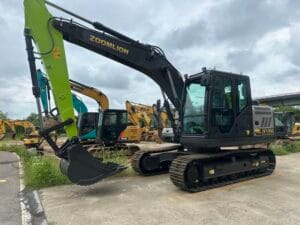
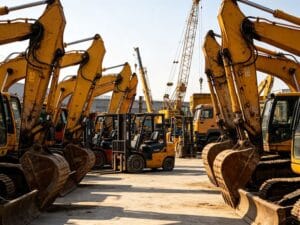
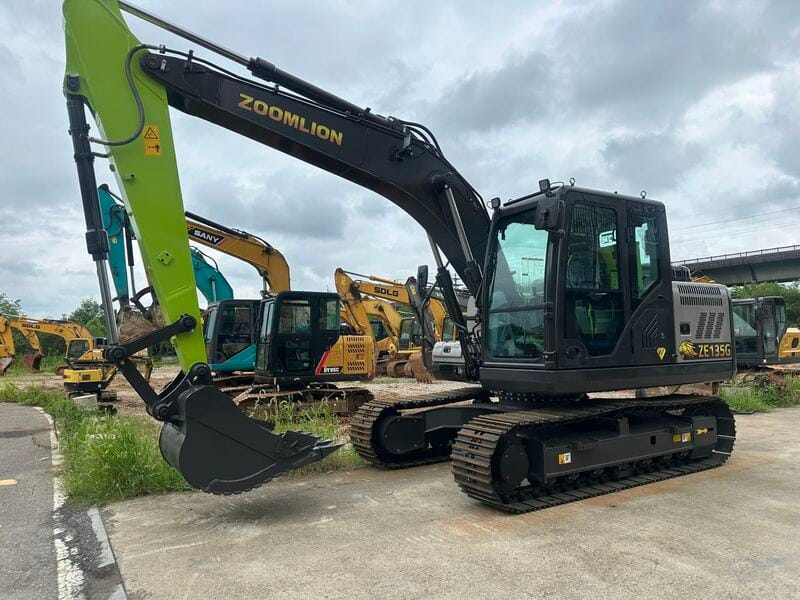
China is the world’s largest market for construction equipment, with an estimated over 9 million units of engineering machinery currently in circulation. Each year, roughly 700,000 units enter the second-hand circulation channel. In 2024 alone, China exported 120,000 used excavators—surpassing both domestic new machine demand (100,500 units) and new machine exports (100,600 units) for the first time. By 2025, the market is projected to reach 150 billion RMB in scale.
These numbers tell a compelling story: China has an enormous, active pool of used excavators, offering international buyers access to quality equipment at competitive prices. However, where opportunity exists, risk often follows. This guide helps you navigate the Chinese second-hand excavator market, avoid common traps, and make a confident purchase.
Understanding the Market Landscape
Market Size and Trends
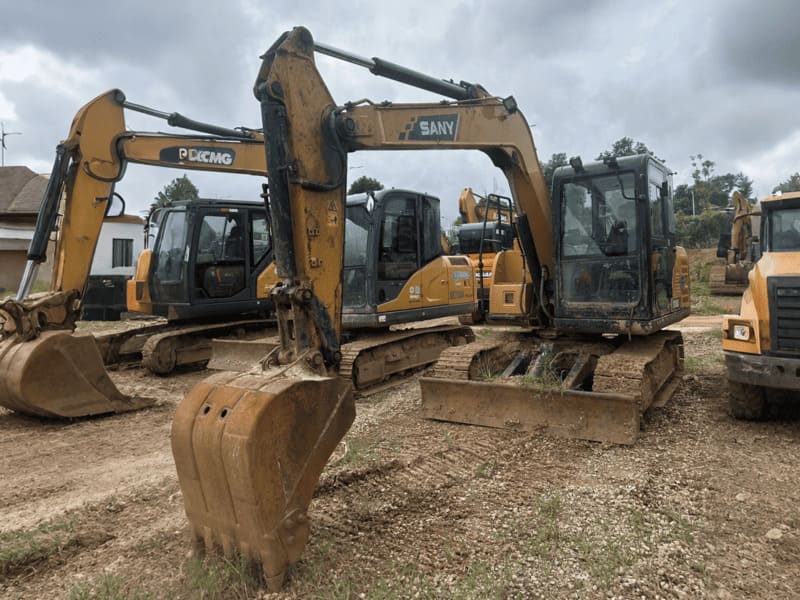
The Chinese used excavator market has grown rapidly in recent years. In 2022 alone, transaction volume reached 820,000 units, up 21% year-over-year. The market is projected to reach 800 billion RMB by 2028. Export growth has been particularly strong—in May 2025, used excavator exports grew 52% year-over-year.
Popular Brands and Value Retention
Market data shows clear brand preferences in the used excavator segment:
Sany dominates with over 30% of the used machine market share
Caterpillar maintains the strongest value retention across all tonnage classes
Japanese brands like Komatsu remain competitive in specific segments
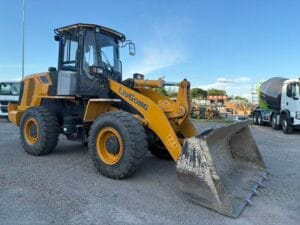
Domestic brands (Sany, XCMG, Liugong) are increasingly replacing imports, especially in the 20-30 ton and 6-10 ton classes
Red Flags: 5 Common Tricks in China’s Used Excavator Market
1. Tampered Hour Meters
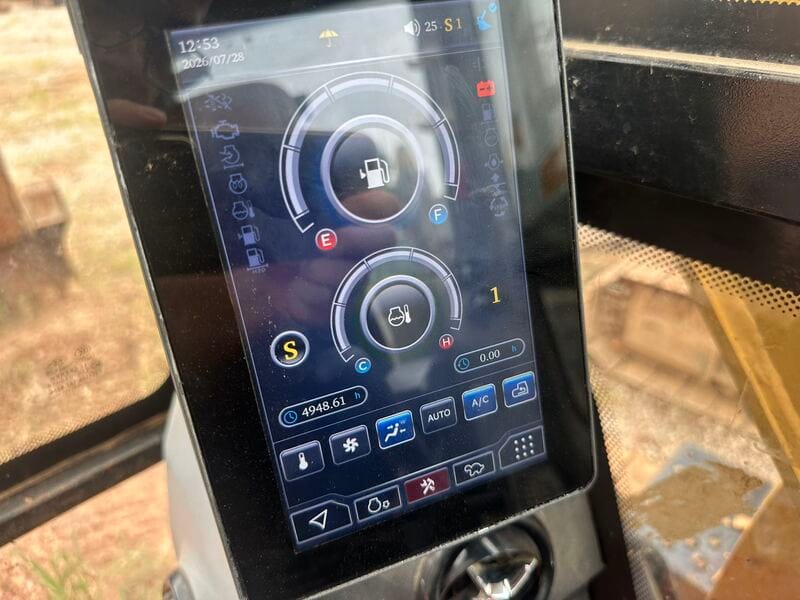
The hour meter is one of the most critical indicators of a machine’s condition—and one of the most frequently manipulated. Dishonest sellers routinely reset or alter hour readings to present heavily worn machines as “lightly used.”
What to do: Never rely on the hour meter alone. Cross-reference with:
Wear on the undercarriage (track links, sprockets, rollers)
Hydraulic component condition (pump wear, seal integrity)
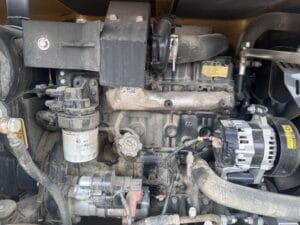
Engine blow-by and oil consumption
Pedal and control lever wear patterns
2. Altered Nameplates and Serial Numbers
Some suppliers replace manufacturer nameplates or grind and re-stamp serial numbers to change a machine’s identity. This practice has been documented in major smuggling cases—for instance, a Guangdong customs operation seized 5.5 billion RMB worth of imported used excavators where sellers had altered nameplates, chassis numbers, and year of manufacture. A separate 2020 operation busted a smuggling ring valued at 860 million RMB where similar tactics were used.
What to do:
Verify serial numbers against manufacturer databases where possible
Check that all identification plates are original and match across all components
Be suspicious if plates appear newly riveted or show signs of tampering
3. Cosmetic “Reconditioning” to Hide Age
The same criminal networks that altered serial numbers also used techniques like:
Sun-bleaching newer machines to make them appear older (for customs valuation fraud)
Complete repainting and component replacement to disguise excessive wear
Structural repairs hidden beneath fresh paint
What to do: Look for signs of overspray, uneven paint texture, or color mismatch. Inspect the machine under good lighting and bring a magnet to test for excessive body filler.
4. “New-to-Old” and “Old-to-New” Scams
The market has seen both directions of fraud:
New machines made to look old: Used to evade import duties on newer equipment
Old machines “refreshed”: Worn-out machines repainted, fitted with replacement parts, and resold as “well-maintained” units
5. Concealed Structural Damage
Welding repairs on booms, sticks, and frames indicate previous cracking or damage. Some sellers grind welds flush and paint over them to hide repairs. Check for:
Non-factory welding marks on structural components
Misalignment when checking with a straightedge along booms and sticks
Excessive “patches” or repair plates on the machine
How to Protect Yourself: A Practical Buyer’s Checklist
Before You Bid or Buy
1. Verify the Machine’s History
Ask for maintenance records—not just claims but actual documentation
Inquire about the machine’s previous application (mining vs. general construction makes a significant difference in wear)
Use third-party inspection services like SGS or TÜV when available
2. Conduct a Thorough Physical Inspection
Check the undercarriage: Track chain wear, sprocket condition, and roller integrity
Inspect hydraulic systems: Look for leaks, check cylinder chrome rods for scoring, test for smooth operation
Test the engine: Cold start performance, exhaust smoke color (black indicates fuel issues; white indicates cylinder problems), unusual vibrations
Evaluate the bucket and attachment points: Excessive play at pin joints indicates severe wear
3. Scrutinize Documentation
Ensure the seller can provide title documents proving ownership
Verify export compliance for your destination country (emission standards, age restrictions)
Review all costs: machine price, dismantling, inland transport, containerization, and shipping
4. Use Secure Payment Channels
Avoid direct wire transfers to “personal accounts”
Prefer platforms with escrow services where payment is held until delivery is confirmed
Limit deposits to 10-30% of the transaction value
Why Choose a Specialized Platform: The Chinafairlyused Advantage
Navigating these risks alone is challenging—especially when you’re dealing with language barriers, cross-border logistics, and unfamiliar business practices. This is where specialized platforms create value.
Chinafairlyused positions itself as a focused, vertical marketplace for used industrial equipment. Unlike general B2B platforms like Alibaba or Made-in-China—where used heavy machinery is often a small, underserved category—Chinafairlyused specializes in this sector. The platform’s team includes engineers with practical field experience, offering meaningful support beyond simple listing services.
Service Quality
The platform emphasizes transparent transactions and buyer protection. Its recommended practices include:
Encouraging third-party inspections from internationally recognized firms
Promoting secure payment flows that protect both parties
Verifying seller credentials and transaction history
Product Quality and Expertise
Founded by Jackson Chen—a mechanical engineer with decades of experience in geological drilling, power, automotive, and agricultural sectors—the team understands the technical aspects of the equipment they facilitate. This engineering background provides a layer of credibility that pure marketplace platforms cannot match. Martin Tang, the Marketing Manager, brings hands-on maintenance experience from Hunan Xing Ye Nonferrous Metals and Hunan Jianglu Machinery Group.
A Note on Fair Trade Machinery
Industry-wide, platforms like Fair Trade Machinery have demonstrated that there is strong demand for transparent used equipment trading. With over 1.5 million registered users and recognition as a National High-Tech Enterprise in China, Fair Trade Machinery has successfully built a business around verified listings and inspection reports. This validates the model: buyers want trust, transparency, and professional oversight—not just low prices.
Final Recommendations
Do your homework: Understand market prices for your target machine model and year. If a deal seems too good to be true, it likely is.
Inspect thoroughly: Never buy sight-unseen without a credible third-party inspection. The investment in inspection is a fraction of what a bad machine costs.
Use trusted platforms: Platforms like Chinafairlyused, with engineering expertise and buyer protection mechanisms, reduce your exposure to fraud.
Document everything: Contracts, inspection reports, payment records—keep copies of all transaction documents.
Stay patient: The right machine at the right price will emerge. Rushed decisions often lead to expensive mistakes.
This guide was developed based on market research, industry data, and practical experience in the Chinese used equipment sector. It is intended for informational purposes only and does not constitute professional advice. Always conduct your own due diligence before making any purchase decision.