Used Lathe Machine: A Professional Buyer’s Guide for Smart Industrial Investment

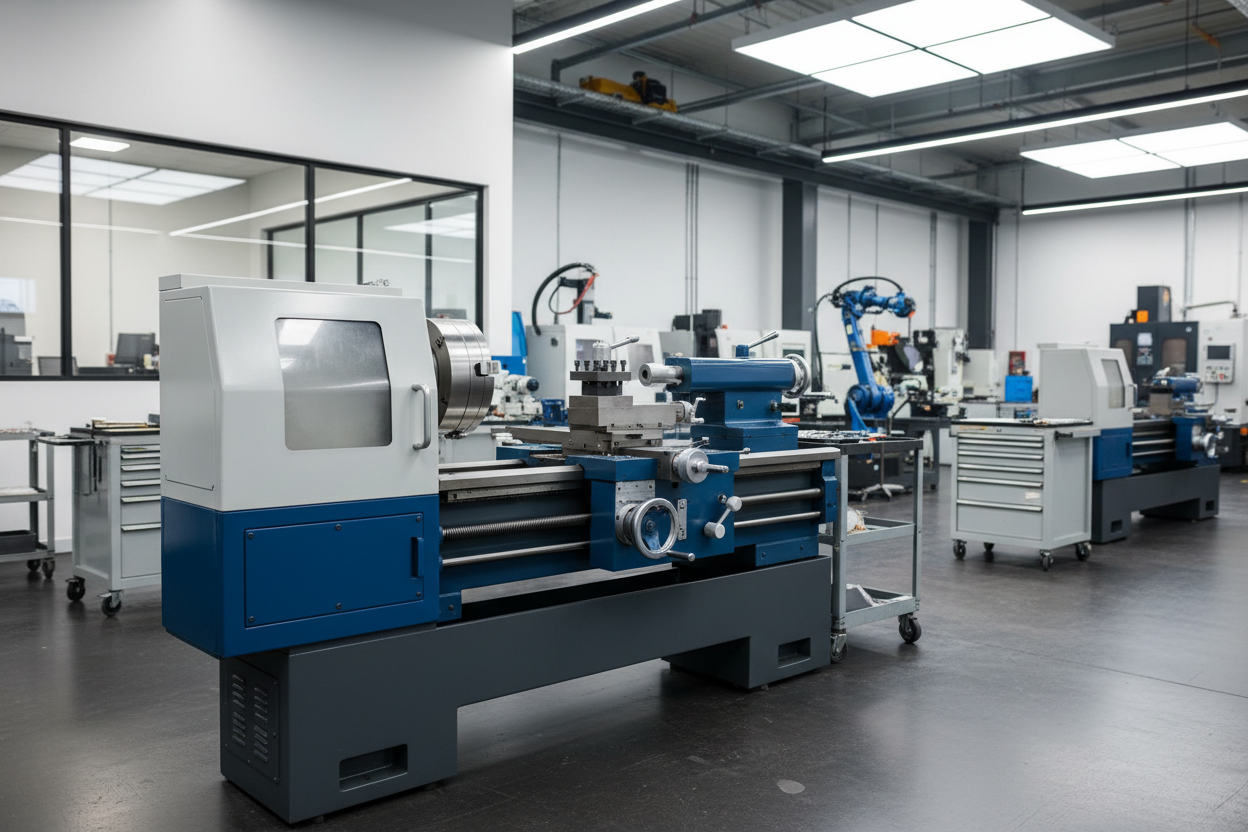
If you are planning to expand machining capacity without the cost of brand-new equipment, a used lathe machine can be one of the most practical investments for your workshop, factory, or trading business. Lathes remain essential in metalworking because they support turning, facing, threading, drilling, boring, taper cutting, and many other precision operations.
At Chinafairlyused.com, we understand that buyers want more than a low price. They want reliable performance, clear machine information, honest inspection details, and long-term value. This guide explains how to evaluate a used lathe machine professionally so you can reduce risk and make a confident purchasing decision.
What Is a Used Lathe Machine?
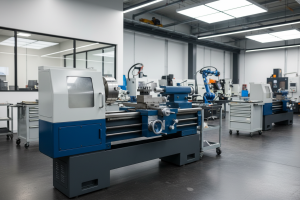
A used lathe machine is a pre-owned turning machine designed to rotate a workpiece while a cutting tool removes material to create the required shape, dimension, or surface finish. Depending on the model and configuration, a lathe may be used for general repair work, toolroom production, heavy-duty shaft machining, batch manufacturing, or high-precision component processing.
Common types include conventional engine lathes, heavy-duty horizontal lathes, CNC lathes, pipe threading lathes, vertical lathes, and precision toolroom lathes. Each type serves a different production purpose, so the best choice depends on your materials, part size, tolerance needs, available floor space, and operator skill level.
Why Buy a Used Lathe Machine?
For many manufacturers and machinery dealers, buying a used lathe machine is a strategic way to improve capability while keeping capital costs under control. A quality second-hand machine can continue to perform reliably for years when it has been properly maintained and inspected.
- Lower purchase cost: Used machinery usually costs significantly less than new machinery, allowing buyers to allocate budget to tooling, transport, installation, or additional machines.
- Faster availability: Many used lathes are ready for inspection and shipment, reducing lead times compared with custom-ordered new equipment.
- Proven durability: Established lathe brands are often built with strong castings, rigid beds, and long service lives.
- Better return on investment: For repair shops, small factories, and growing manufacturers, used equipment can generate production value quickly.
- Wide model selection: Buyers can find machines suitable for small precision parts, large shafts, pipes, molds, flanges, and general industrial components.
Key Factors to Check Before Buying
1. Machine Bed Condition
The bed is the foundation of the lathe. Check for wear, dents, corrosion, cracks, or uneven guideways. Excessive bed wear can affect straightness and accuracy, especially when machining long workpieces. A clean, rigid, and well-preserved bed is one of the best indicators of machine value.
2. Spindle and Chuck Performance
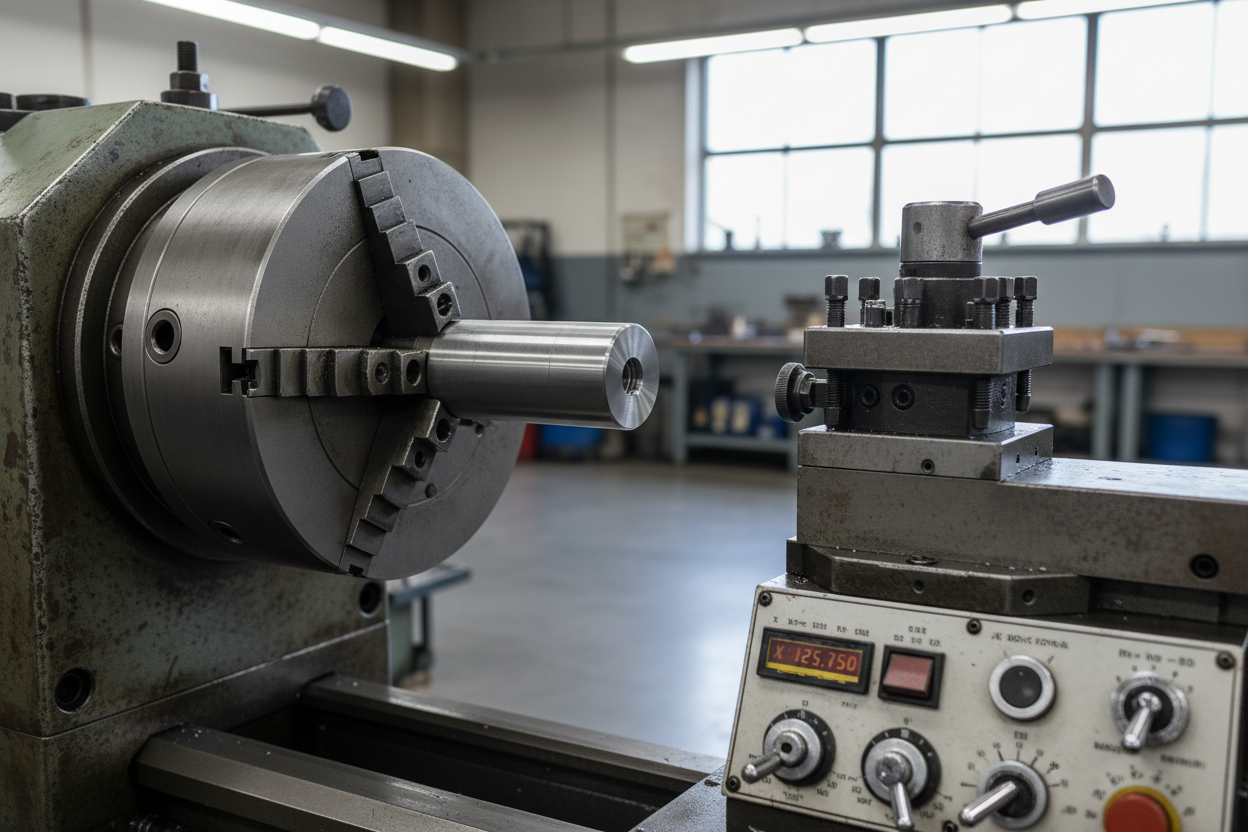
The spindle should run smoothly with minimal vibration and abnormal noise. Ask for a test run at different speeds if possible. The chuck should clamp securely, and the spindle nose should be checked for damage. For precision work, spindle runout is especially important.
3. Gearbox, Feed, and Threading Functions
A used lathe machine should shift gears smoothly and provide stable feed movement. Test longitudinal feed, cross feed, and threading functions. Listen for grinding sounds and check whether levers engage properly. Worn gears may still operate, but they can create noise, poor finish quality, or future repair costs.
4. Carriage, Cross Slide, and Tailstock Alignment
Inspect the carriage movement across the bed. It should move evenly without tight spots or excessive looseness. The cross slide and compound slide should respond smoothly. Tailstock alignment is important for drilling and turning long parts, so check whether it locks securely and lines up correctly with the spindle center.
5. Electrical System and Controls
Electrical condition is often overlooked, but it matters for safety and daily reliability. Inspect control panels, emergency stop functions, wiring, motors, coolant pumps, and lighting. For CNC lathes, verify the control system, servo drives, alarms, parameters, and program execution.
Manual Lathe vs CNC Used Lathe Machine
A manual used lathe machine is ideal for repair work, low-volume production, training, and flexible job shop operations. It is generally easier to maintain and can be operated by skilled machinists without complex programming.
A CNC used lathe machine is better for repeatable production, tighter consistency, and more complex part geometry. It can reduce operator dependence and improve productivity, but it requires attention to control condition, software, servo motors, tool turrets, hydraulic systems, and spare parts availability.
How to Match a Used Lathe Machine to Your Production Needs
Before requesting a quotation, define the workpieces you plan to machine. Important details include maximum turning diameter, maximum length, material type, required tolerance, spindle bore, chuck size, motor power, machine weight, and available workshop space. If you handle long shafts or pipes, spindle bore and bed length are critical. If you produce high-volume parts, speed range, automation options, and CNC capability may be more important.
Sharing these requirements with a professional supplier helps narrow the options and prevents purchasing a machine that is too small, too large, or unsuitable for your production process.
Questions to Ask a Used Lathe Supplier
- What is the machine brand, model, year, and country of origin?
- What are the swing over bed, distance between centers, spindle bore, and chuck size?
- Can the machine be powered on for testing?
- Are inspection photos, videos, or machining test results available?
- What accessories are included, such as chucks, tool posts, steady rests, tailstock centers, or manuals?
- Has the machine been repaired, repainted, or rebuilt?
- Can the supplier support loading, packaging, export documentation, and shipment?
Common Mistakes to Avoid
The biggest mistake is buying only based on price. A very cheap machine may require expensive repair, missing accessories, electrical replacement, or accuracy restoration. Buyers should also avoid relying on photos alone, ignoring freight costs, or choosing a machine without confirming power requirements and tooling compatibility.
A professional purchasing process should compare total value, not just the purchase price. Machine condition, inspection transparency, spare parts availability, supplier experience, and logistics support all influence the final cost of ownership.
Why Choose Chinafairlyused.com?
Chinafairlyused.com focuses on helping buyers find practical, cost-effective used industrial machinery. For buyers looking for a used lathe machine, the goal is to provide clear machine details, relevant photos, and professional communication so each customer can evaluate suitability before making a decision.
Whether you are sourcing equipment for a workshop, manufacturing plant, resale business, or overseas project, working with a supplier that understands used machinery can save time and reduce uncertainty.
Final Thoughts
A used lathe machine can be a smart investment when it is selected carefully. By checking machine structure, spindle performance, gearbox operation, slide movement, electrical condition, and production suitability, buyers can identify equipment that offers strong value and reliable performance.
If you are searching for a dependable used lathe machine, Chinafairlyused.com can help you compare available options and choose equipment that fits your application, budget, and production goals.
Frequently Asked Questions
Is a used lathe machine reliable?
Yes, a used lathe machine can be reliable if it has been properly maintained, inspected, and matched to the correct production requirement. Condition and supplier transparency are key factors.
What should I inspect first?
Start with the bed, spindle, gearbox, carriage movement, tailstock alignment, electrical controls, and overall machine completeness.
Is a CNC lathe better than a manual lathe?
It depends on your production. CNC lathes are better for repeatable batch production, while manual lathes are often better for repair work, custom jobs, and lower-volume operations.